
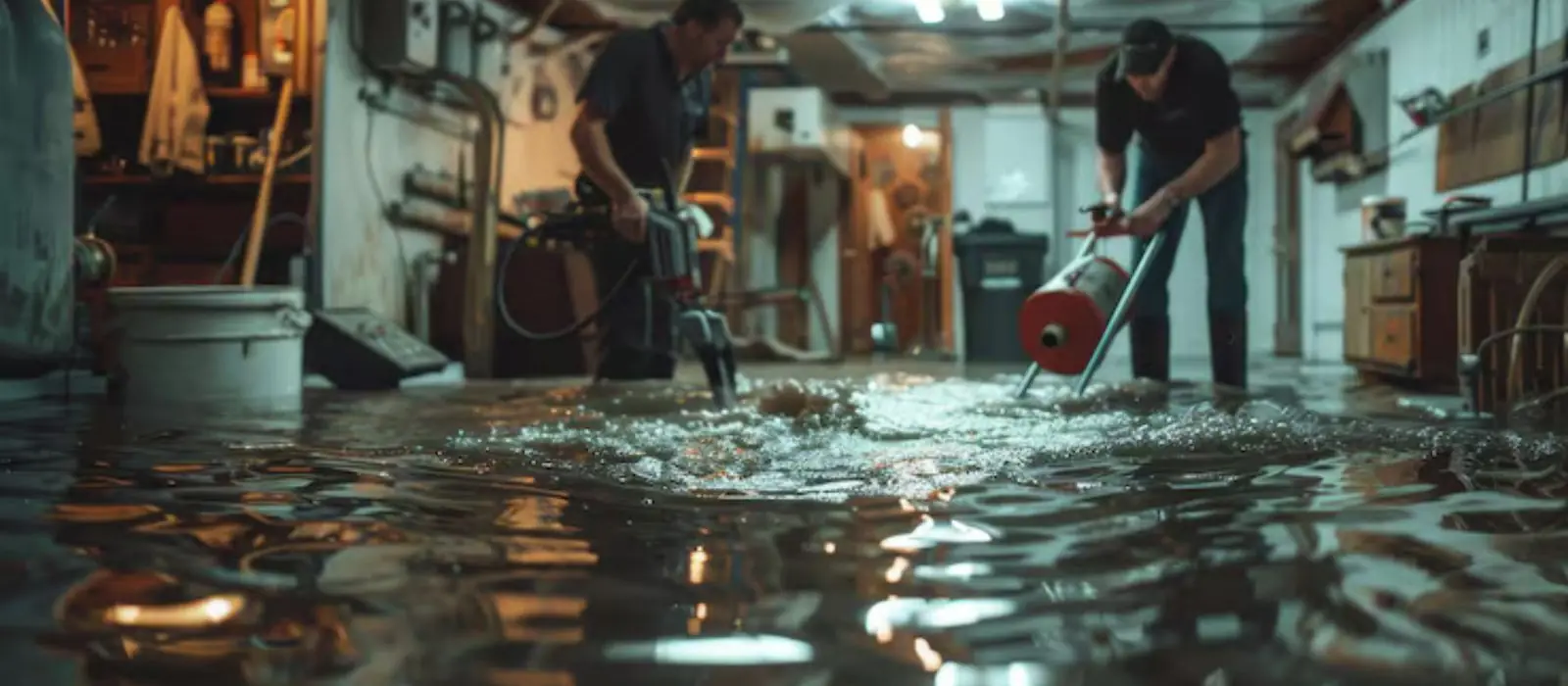
If water is standing in your home right now, this is an emergency, and the 24/7 line is open. Emergency water removal is the first stage of any wet loss. Pumps and extraction units pull standing water out of the structure before it soaks into drywall, insulation and subfloors.
While you wait for the crew, close the main water valve if you can reach it, keep people and pets out of the wet area and call the line. The sooner the water is out, the fewer materials have to be torn out and replaced.
When standing water is an emergency
Any water you can see pooling on a floor counts. Water does not stay where it lands. It runs under baseboards, into wall cavities and down through floors into the unit or garage below, which is a real risk in the apartment and condo buildings around downtown Santa Monica.
After hours is when many of these calls start. A supply line gives way overnight, a water heater lets go while the house is empty or a storm drives rain through a roof seam. The line answers at those hours, and same-day response is offered when a crew is available.
Stay out of the water near power
If water is touching outlets, appliances or the electrical panel, do not walk into it. Cut power only if you can reach the panel while standing on dry ground. If you smell gas or see sparks, leave and call 911 or the utility before you call the restoration line.
What puts water on the floor in Santa Monica homes
Failed supply line
Braided washer hoses, toilet connections and under-sink lines give way without warning and can run for hours.
Water heater failure
A split tank or a burst fitting releases a full tank of water in a closet or garage.
Roof and window leaks
Wind-driven rain near the coast finds flashing gaps and failed seals, then drips into ceilings.
Drain and sewer backup
A blocked line pushes dirty water up through floor drains and tubs. Treat it as contaminated.
Storms can bring more than a drip. In January 2005 a heavy storm closed the California Incline because of mudslide and flood risk, and flooding briefly shut the McClure Tunnel where the I-10 meets Pacific Coast Highway, according to the Santa Monica Daily Press. If storm water is entering your home, treat it as contaminated until a crew says otherwise.
How the crew removes the water
- 1
Stop the source
The crew confirms the water is shut off or the leak is isolated.
- 2
Extract
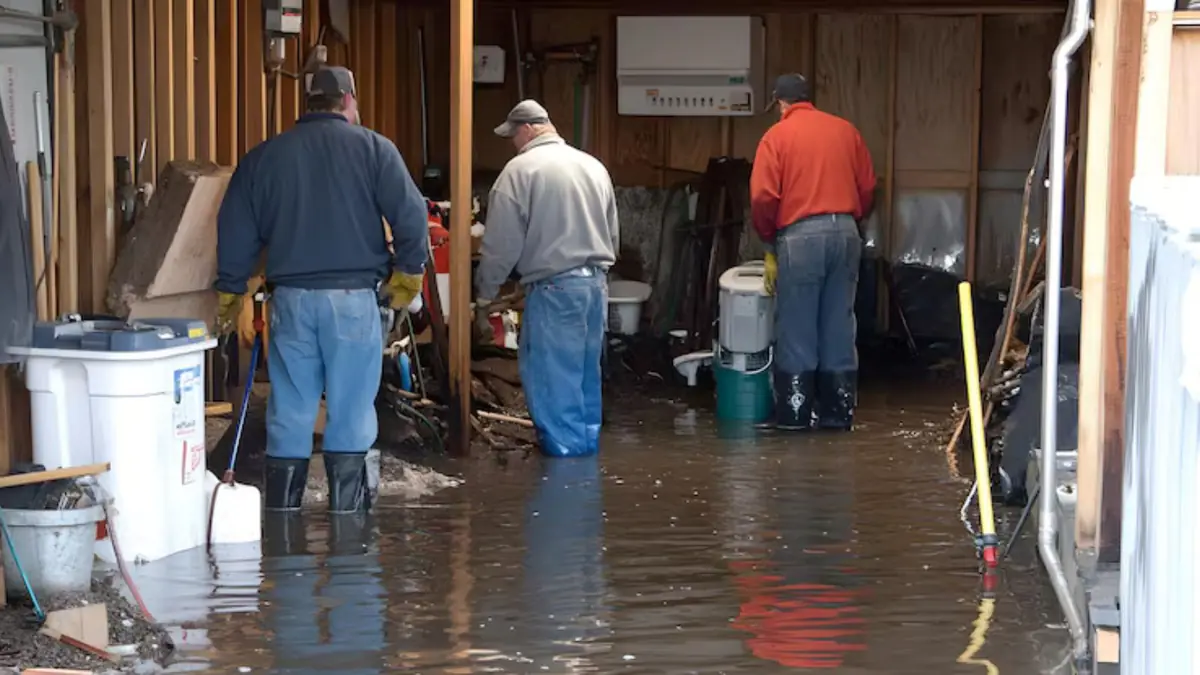
Submersible pumps and extraction units pull standing water from floors and low spots.
- 3
Map moisture
Moisture meters and a thermal imaging camera find water behind walls and under floors.
- 4
Hand off to drying
Air movers and dehumidifiers take over, covered under water mitigation.
Extraction removes bulk water fast, but it does not dry a building. Wet drywall, insulation and subfloor can hold moisture long after the floor looks clear, which is why drying equipment follows the pumps.
Burst pipe water damage
A burst pipe is the classic emergency call. The first job is the shutoff. Many homes have a main valve where the water line enters the building or at the meter, and finding it before you need it saves minutes when you do. If you do not know where it is, look now and note it for everyone in the household.
After the valve is closed, open a faucet at the lowest point in the house to drain the line and reduce further leaking. Photograph the broken pipe and the wet areas, then call the line. A plumber repairs the pipe, and the restoration crew handles the water that came out of it.
In older Pico and Sunset Park homes, original plumbing may still be in service, so ask a plumber to inspect the other lines before walls are closed back up. In a multi-unit building, tell the building manager immediately, because the pipe may serve several units and the water may already be in the unit below.
Which first move fits your situation
| Situation | First move | Call the restoration line? |
|---|---|---|
| Pipe leaking and water spreading | Close the main valve, open a low faucet | Yes, right away |
| Water near outlets or the panel | Stay out, call 911 or the utility if there are sparks or gas | Yes, after the area is safe |
| Sewage or storm water in the house | Keep people and pets out of it | Yes, treat as contaminated |
| Small clean spill on a hard floor | Mop and run a fan | Only if it reached walls or carpet |
What affects the price of water removal
- Water categoryClean, gray and black water are handled and disposed of differently.
- Depth and areaHow much water stood and how many square feet it reached.
- Materials affectedCarpet, pad, drywall, hardwood and insulation respond differently to soaking.
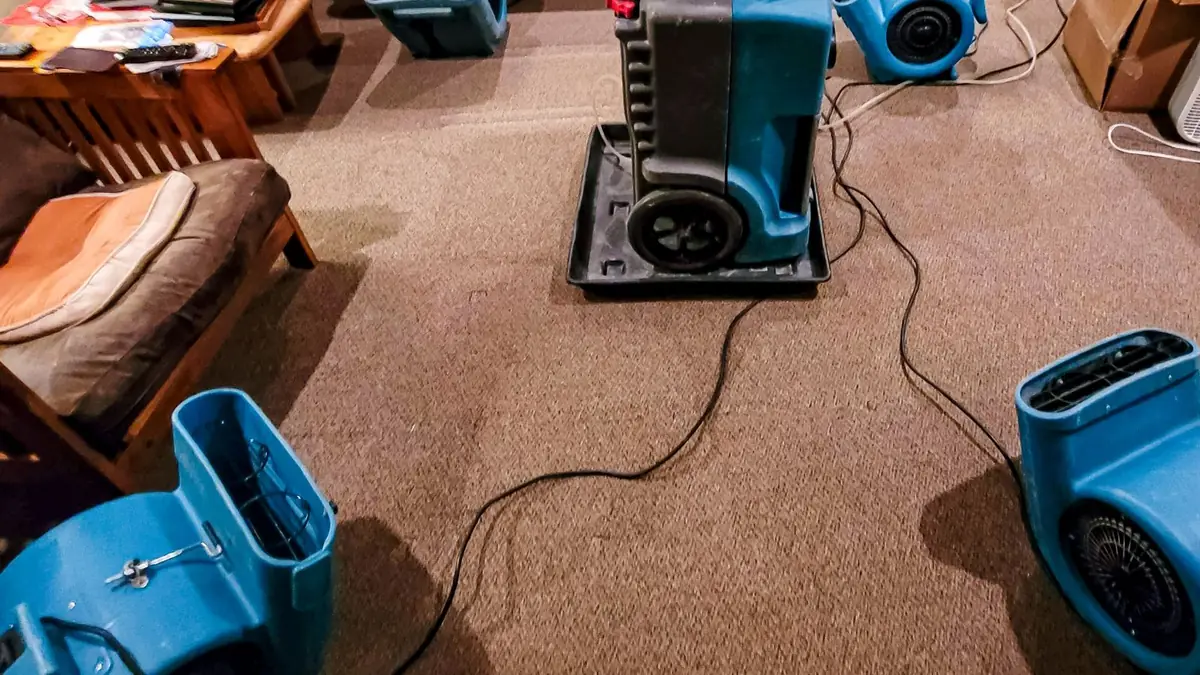
- Equipment daysThe drying equipment placed after extraction and the days it runs.
- Rebuild scopeAny materials that must be replaced once the structure is dry.
Sudden and accidental water damage is often covered by homeowner and renter policies, while gradual leaks often are not, and flood damage usually needs separate flood coverage. Check your policy or ask your insurer, and keep the photos and records the crew provides.
Want your real number?
The scope and the way the price is set are explained before work starts. Call the 24/7 line.
Where emergency water removal is dispatched
Crews are dispatched across Santa Monica ZIP codes 90401, 90402, 90403, 90404 and 90405, and to Venice and Pacific Palisades. If the flood came from outside the home, flood damage restoration covers storm and sewage water. Once the structure is dry, water damage repair rebuilds what was removed.
QuestionsEmergency water removal questions
Yes. The emergency line is answered 24/7, including nights, weekends and holidays. Dispatch sends a crew the same day when one is available and tells you what to do while you wait. No arrival time is promised, because crew availability and traffic vary.
Water removal pulls out standing water with pumps and extraction units. Water mitigation is the broader job of stopping further damage, which includes drying the structure with air movers and dehumidifiers. Most losses need both.
A wet vacuum and towels help with a small clean spill. For anything that reached walls, carpet pad or an electrical area, call the line. Water you cannot see behind surfaces is the part that causes mold and warped floors later.
It depends on the source and the electrical risk. Keep people and pets out of any water that may be contaminated, and stay out of water near outlets or the panel. If you are unsure, step out and call.
Extraction is the first stage. Drying equipment is placed right after, and the crew checks moisture readings until the materials reach their drying goal.