
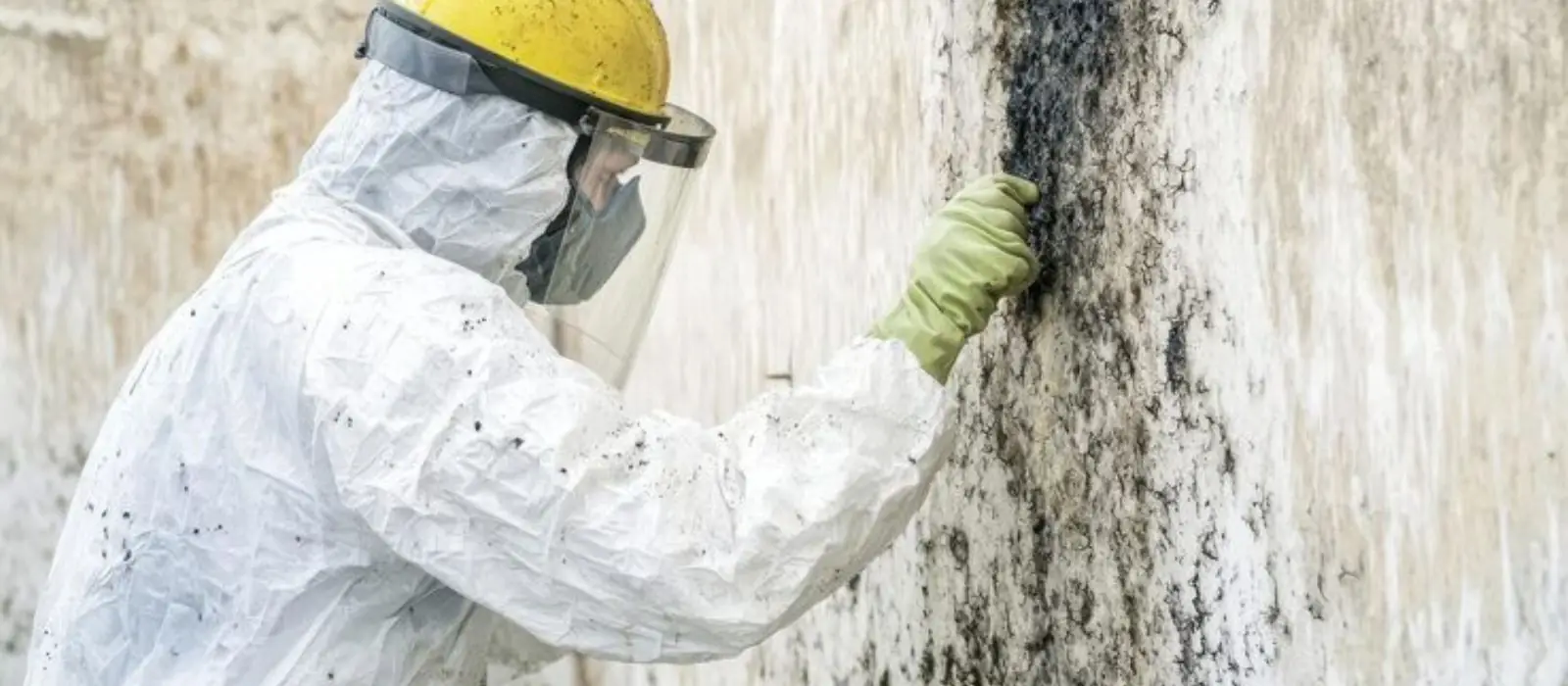
Mold remediation is the process of containing and removing mold after a moisture problem, then fixing the conditions that fed it. It is a secondary service on this line, and it often follows a leak, a roof problem or a slow drip behind a wall.
The two things to know first are simple. Mold needs moisture, so the water source must be found and fixed. And disturbing mold by scrubbing or demolishing without containment can spread spores through the home. Call before you start tearing out materials.
Do you have dark spots, a musty smell or a spreading ceiling stain?
Most people do not search for remediation first. They notice dark spots in a closet corner, a musty smell in a bathroom, a bubbling paint line on a ceiling or a damp wall behind furniture. Those are the symptoms that bring them here.
If the spot is small and on a hard surface, a basic cleaning may handle it. If it is spreading, sits on drywall or insulation, or came back after cleaning, the moisture is still there and the growth often reaches behind what you can see. Call the line and describe what you found.
What mold remediation involves
- 1
Find the water
The crew locates the moisture source and confirms it has been stopped.
- 2
Contain
Plastic barriers and negative air keep spores from moving into clean rooms.
- 3
Remove
Mold-affected drywall, insulation and porous materials are removed, and surfaces are HEPA vacuumed and cleaned.
- 4
Dry and verify
The area is dried and checked, and clearance testing is offered when you need written results.
Remediation follows the ANSI/IICRC S520 standard for professional mold remediation. S520 is a published industry standard, and you can ask any company whether its crews work to it. Cleaning alone, without drying, is not remediation.
Mold testing and inspection
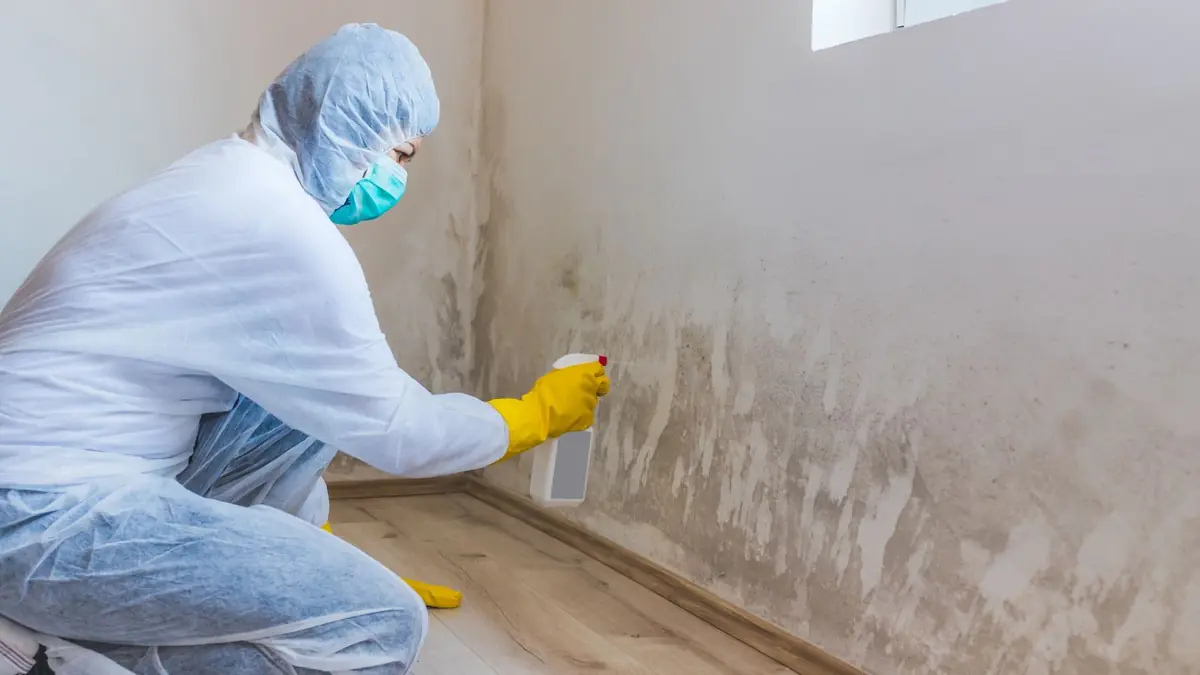
Testing answers specific questions, not general ones. It can confirm whether a spot is mold, show whether airborne spores inside differ from those outside and verify that a cleanup worked. An inspection starts with moisture meters and a visual check of where water traveled.
Clearance testing is done after remediation to confirm the area is ready for normal use. When the testing must satisfy a lender or a buyer, an independent tester who did not do the remediation gives the results more weight. Ask whether the test will be done by someone who is independent of the crew.
Health questions about mold exposure belong to a physician. A restoration crew can tell you what is growing where and how to remove it, but it cannot say how mold affects a specific person.
Mold removal and black mold cleanup
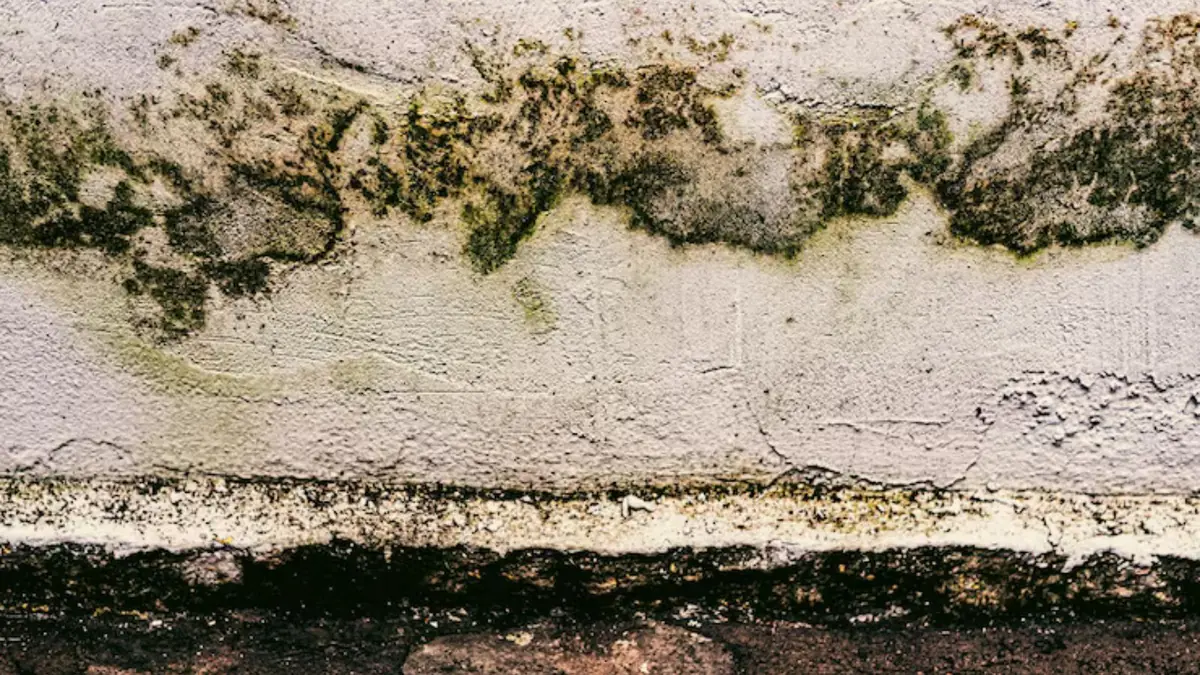
Black mold is a popular name for dark-colored growth. Color does not tell you the type of mold, and the label should not change the plan. Dark growth on a wall or ceiling is handled the same way as any other mold: stop the moisture, contain the area, remove affected materials and clean.
Hard surfaces such as tile, glass and sealed wood can often be cleaned. Porous materials like drywall, carpet and insulation usually have to be removed when mold has grown into them. The crew shows you what is salvageable and what is not before any removal begins.
Mold after water damage
Mold after a leak is the most common mold call. A wall that was wet for several days, carpet pad that was never dried or a ceiling that dripped overnight can all grow mold. The sooner drying starts, the less likely mold follows.
If you had a water loss and the smell never went away, the structure may still be wet. Water mitigation finds hidden moisture with meters and a thermal camera. Water damage cleanup removes affected materials, and the crew will tell you if mold work is needed.
Santa Monica homes near the coast can stay damp in cool, humid weather, and closets, bathrooms and lower-level rooms are the usual trouble spots. A condensation line, a failed window seal or a slow drip under a sink can feed growth for weeks before it is noticed.
Which mold situations need what
| Situation | What it suggests | Usual next step |
|---|---|---|
| Small spot on a hard surface | Surface growth | Fix the moisture, clean, watch for return |
| Spots on a ceiling after a leak | Wet drywall or insulation above | Fix the leak, remove affected drywall, remediate |
| Musty smell with no visible mold | Hidden moisture | Moisture mapping, then testing if needed |
| Growth on several surfaces | Ongoing moisture or humidity | Containment, removal and drying |
| Mold clearance for a sale or loan | Written results needed | Remediation, then independent clearance testing |
What affects the cost of mold remediation
- Size of the areaThe square footage and the number of rooms involved.
- Materials involvedDrywall, insulation and carpet are removed, and tile and framing are cleaned.
- Containment neededBarriers, air scrubbers and the days they stay in place.
- TestingWhether testing or independent clearance testing is required.
- Rebuild scopeWhat is replaced after remediation.
Insurance treats mold according to its cause. If it grew from a sudden and accidental water loss, a policy may cover some of the work, while mold from neglect or a slow leak often is not covered. Check your policy or ask your insurer. Ask whether your state licenses mold work before you hire anyone, including this line.
Want your real number?
Scope and price are explained before work starts. Call the 24/7 line.
Mold crews are dispatched across Santa Monica ZIP codes 90401, 90402, 90403, 90404 and 90405, plus Venice and Pacific Palisades. If rebuilding is next, see water damage repair.
QuestionsMold remediation questions
Removal takes mold out of one place. Remediation is the full process of fixing the moisture, containing the area, removing affected materials, cleaning and verifying the result. Without the moisture fix, growth returns.
Not always. If you can see growth and know the cause, remediation can proceed. Testing helps when you cannot find the source, want written proof, or need results for a sale or a loan. Ask whether the tester is independent of the crew.
Remediation can be followed by independent clearance testing, which produces written results. Whether a lender or buyer accepts a given report is up to them, so ask them what they require.
A small spot on a hard surface can be cleaned with care. Anything on drywall, insulation or carpet, or anything larger than a small area, should be assessed first. Scrubbing or demolishing without containment can spread spores.
It depends on whether the moisture source is fixed. Remediation removes the growth, and drying and repair stop the conditions that fed it. If a leak or high humidity continues, mold can return, so confirm the source is fixed.