
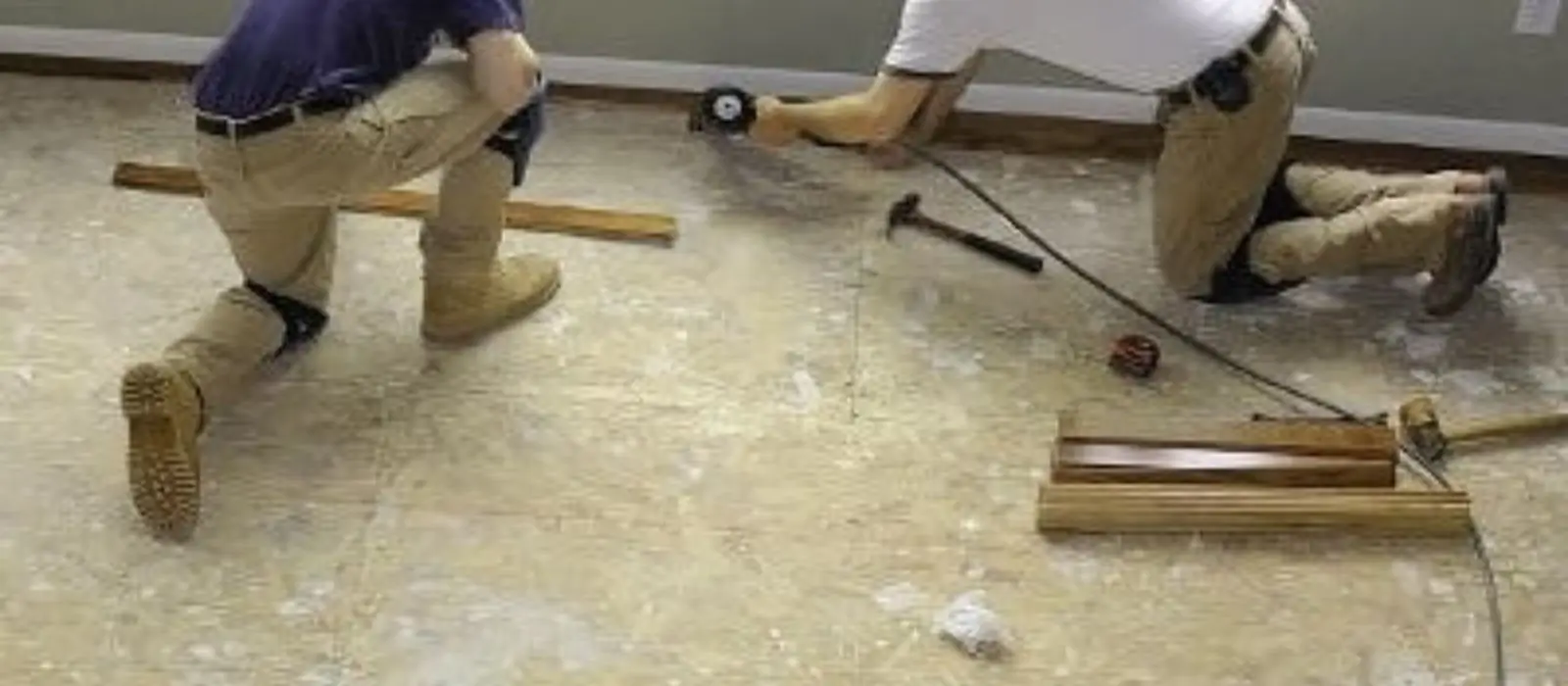
Water damage repair is the rebuild phase. After water is removed and the structure is dry, repair replaces drywall, insulation, flooring, trim, paint and cabinets so the room matches the rest of the home again.
Repair comes after drying, not instead of it. Closing a wall over damp framing locks moisture in and invites mold, which is why a reputable crew confirms dry readings before any new material goes up. If your walls or floors may still be wet, start with water mitigation.
Where repair work usually starts
A repair scope begins with what was removed during drying and cleanup. That list is the shopping list for the rebuild. It usually includes cut-out drywall, torn-out baseboards, pulled flooring and anything the moisture map flagged as too far gone to keep.
In older Pico and Sunset Park houses, original plaster or lath may sit behind newer layers, and matching a wall may take more steps than a simple patch. The crew explains the difference between a patch and a full panel replacement before work starts.
Ceiling and wall water damage repair
A water stain on a ceiling is a sign that moisture sat in the drywall or insulation above it. The first question is whether the source is fixed. A roof leak, a bathroom supply line or a failed tub drain upstairs must be repaired first, or the stain returns.
Once the source is fixed and the materials are dry, the repair is straightforward. Wet or sagging drywall is cut out past the damaged area. Wet insulation is replaced. New drywall is hung, taped, textured to match and primed, and paint covers the patch. A stain sealer is used before paint so the old mark does not bleed through.
Walls follow the same order. A baseboard comes off, a moisture meter checks the cavity, wet material comes out and the opening is closed only after it reads dry. A bubbling or soft spot on a wall near a bathroom or kitchen is a sign that the cavity behind it is still holding water, so call before painting over it.
Hardwood floor cupping and drying
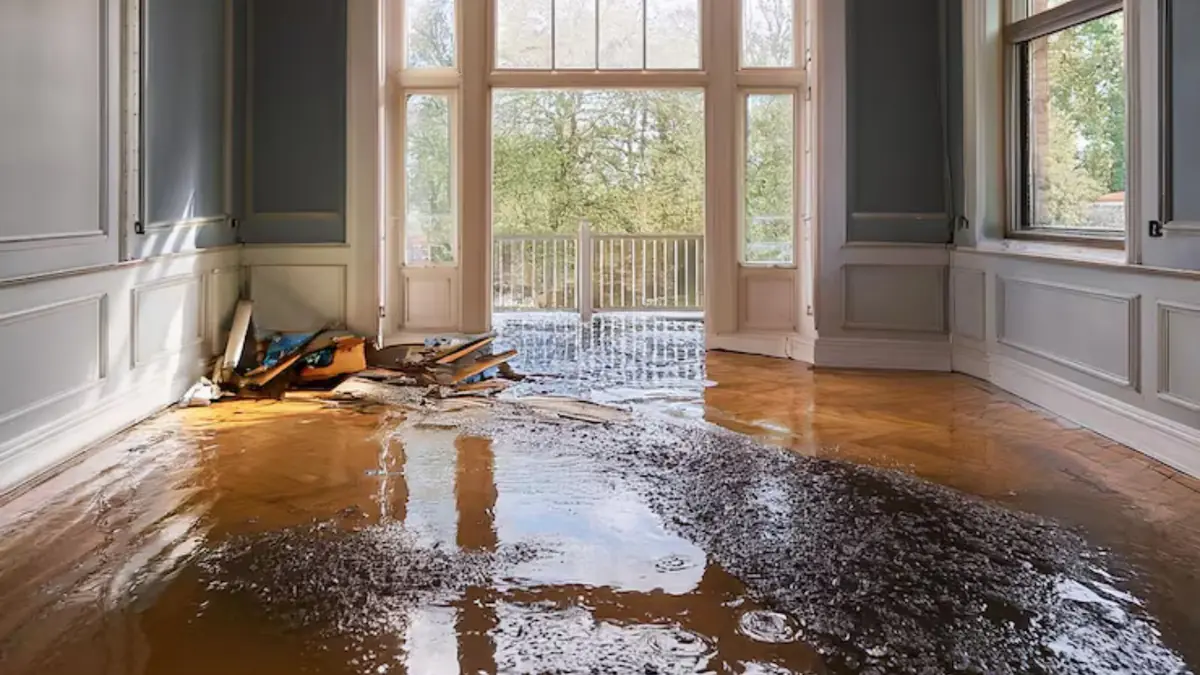
Hardwood boards absorb moisture from below and can cup, which means the edges rise higher than the centers. A floor can cup even when the surface never got wet, for example after a leak under the dishwasher or a slow plumbing drip beneath the kitchen.
Whether a floor can be saved depends on how long it stayed wet and how fast drying starts. Many floors recover when the moisture is removed carefully, then sanded and refinished. Others need spot replacement or full replacement. The crew reads the boards and the subfloor with a moisture meter before giving you the options, and drying comes before any sanding.
What a repair scope should include
| Item | What happens | Notes |
|---|---|---|
| Drywall | Cut out wet sections, replace, tape, texture and prime | Matching texture can take extra steps |
| Insulation | Replace saturated batts or blown-in material | Done before the wall is closed |
| Flooring | Dry and refinish, replace sections or replace the room | Depends on the material and the moisture readings |
| Baseboard and trim | Reinstall salvaged trim or replace | Paint after installation |
| Paint | Prime stains, then paint wall or ceiling | Edge-to-edge painting avoids color mismatch |
| Cabinets | Dry, replace toe kicks or replace boxes | Water often wicks into the toe kick first |
The scope also names who pulls permits when a job needs one. Permit rules vary, so ask the City of Santa Monica Building and Safety division whether your repair requires a permit before work starts.
What affects the price of water damage repair
- Materials and finishThe price changes with the grade of flooring, drywall texture and paint chosen.
- Size of the areaSquare footage and the number of rooms in the rebuild.
- Water categoryContaminated water leads to more material removal and replacement.
- Drying historyHow long materials stayed wet and how much needs replacing as a result.
- Access and finish matchingOlder homes can need extra steps to match walls, trim and floors.
Sudden and accidental water damage is often covered by homeowner and renter policies, and the repair estimate is the document many insurers ask to see. Gradual leaks often are not covered, and flood damage usually needs separate flood coverage. Check your policy or ask your insurer.
Want your real number?
Scope and price are explained before work starts. Call the 24/7 line.
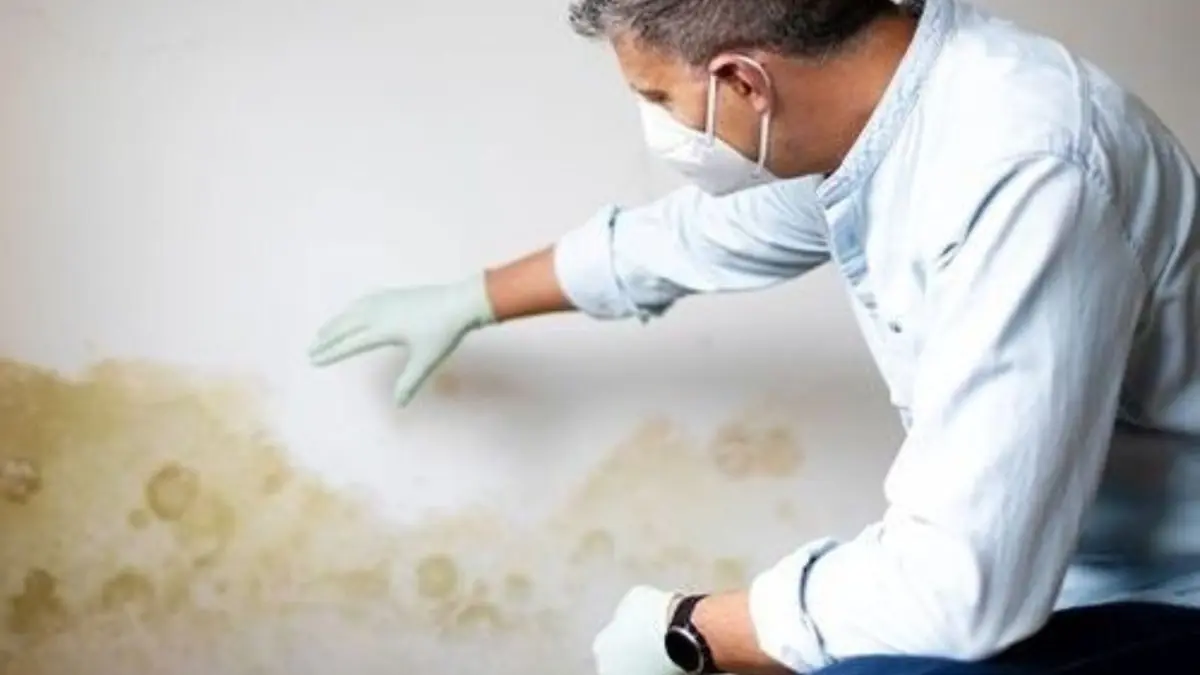
Repair work is scoped across Santa Monica ZIP codes 90401, 90402, 90403, 90404 and 90405, and in Venice and Pacific Palisades. If the loss involved sewage or a storm, flood damage restoration handles the contaminated materials first. If you spot dark growth on a ceiling or wall, see mold remediation.
QuestionsWater damage repair questions
Repair starts after the structure reaches its drying goal and any needed mold work is done. Starting earlier closes moisture into walls and floors and can lead to mold or warped boards.
It can if the source is not fixed or the stain is not sealed. A stain-blocking primer is applied before paint, and the repair should not start until the leak above is stopped and the materials are dry.
Often, if it is dried carefully and the cupping eases. Some floors need sanding and refinishing afterward, and some need replacement. The crew reads the boards and the subfloor before telling you the options.
Permit rules vary by the work involved. Ask the City of Santa Monica Building and Safety division before work starts, and ask any contractor who will pull the permit.
If the damage came from a sudden and accidental event, insurance may cover part or all of it. Slow leaks and flood damage often are not covered. Read your policy and ask your insurer.